Bella BeesField School experiment

Design direction: Olive Paper — a practical field-notebook atmosphere keeps attention on trust, evidence, and the next useful action.

Mentra glasses × beekeeping · experiment 01

Can smart glasses make a better hive note?

Andy Bailey wears the camera while Bella Bees inspects a working colony nicknamed Spicy Hive. The result is not a diagnosis. It is an honest test of what hands-free footage can record, what it cannot prove, and how the next inspection can be captured better.

Midwest bee yard · exact location withheld

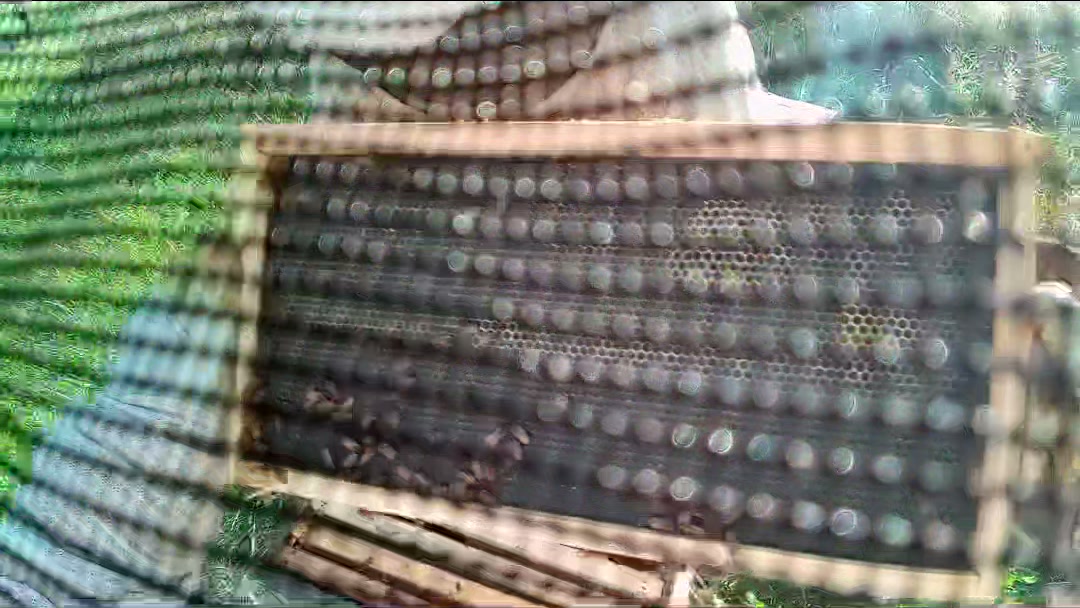
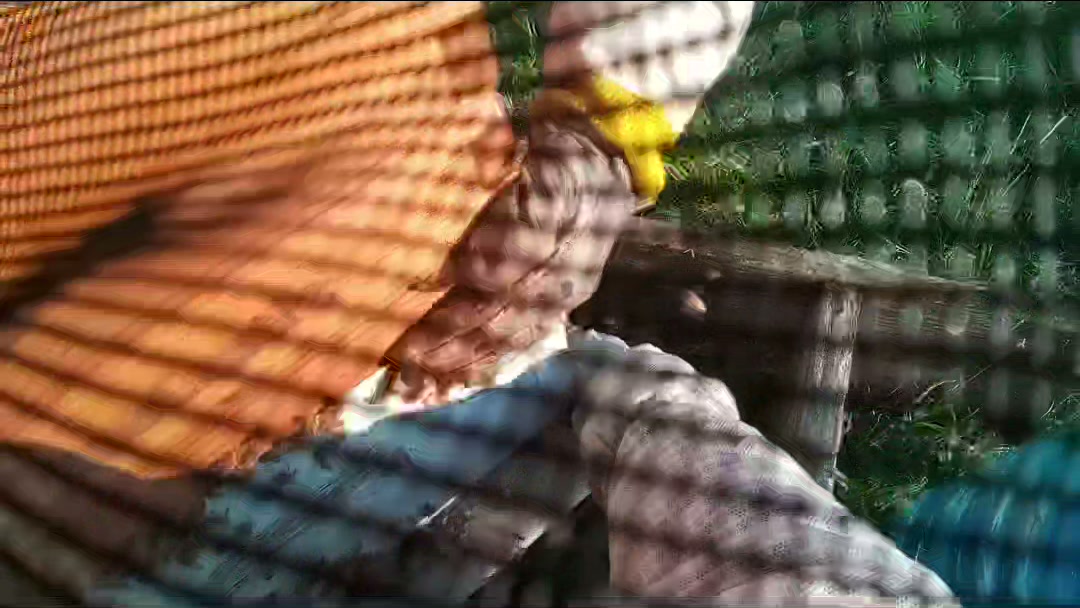
Frames in Spicy Hive seen through the mesh of a beekeeper veil
Observed: hands-free hive inspection footage with persistent veil mesh across the lens.
20:01source footage
14reviewed prompts
8 secevery learning pause
1location withheld
0unsupported numbers

Hive report · Spicy Hive · report 001

Field status: moisture concern addressed; colony condition remains unmeasured.

This report follows the transcript order: Gallery 3 inspection first, then Gallery 2 cleanup and reassembly. It is a field record, not a colony diagnosis.

Observer named in footage
Andy Bailey
Public location
Midwest bee yard; exact location withheld
Configuration spoken
Two supers and two deeps
Primary concern
Moisture and standing water were described in the lower equipment
Observed correction
Lower equipment was separated; base and stack were repositioned and supported
Required follow-up
Recheck drainage after rain; capture a clear close view before identifying any organism

Supported: handling, lower-equipment separation, feeder/frame-spacing work, and drainage-oriented reassembly.

Not supported: brood or larvae counts, queen status, comb percentage, colony population, organism identity, or a prediction that drainage will succeed.

Inline report player

Jump directly to the on-screen answer card.

Choose an item below. The player opens at its eight-second, reviewed answer card.

Each timestamp opens the published 22-minute lesson at its question. The evidence answer stays in the report so the limits remain clear.

Field-method summary

Spicy Hive: inspection, evidence limits, and a drainage rebuild

Two Mentra-glasses recordings were reviewed in sequence. The report separates what was visible, what was said in the yard, and what needs a closer future capture.

Report only: no footage is embedded or downloadable from this page. Exact apiary location is withheld.

Beekeeper in the glasses

Andy Bailey

Andy is named in the footage as the person inspecting the hive and wearing the camera. His section of this experiment is practical: keep both hands available, name the hive out loud, ask structured questions, and leave a record another beekeeper can review.

“Andy Bailey, inspection hive today.”

Source note: name and role are taken from the spoken recording. No additional biography is inferred.
Hive note 001

Working colony nickname

Spicy Hive

Where
Midwest bee yard; exact location withheld
Stack spoken
Two supers and two deeps
Inspection focus
Comb, brood request, queen request, lower-box moisture, feeder spacing
Observed action
Lower equipment separated; base and stack repositioned and supported
Follow-up
Recheck drainage after rain with an unobstructed camera view

“Spicy Hive” is a field nickname, not a diagnosis of colony temperament.

What the twenty minutes contain

A useful story, with the uncertainty left in

  1. 01

    Name the record

    Andy Bailey takes the glasses and the colony is identified as Spicy Hive.

  2. 02

    Ask ambitious questions

    The speakers request brood, larvae, queen, comb, and whole-hive population information.

  3. 03

    Respect the evidence gate

    The veil, angle, motion, and incomplete coverage make the requested counts unsupported.

  4. 04

    Find the actionable problem

    Moisture and standing water are spoken about while lower equipment is visibly separated.

  5. 05

    Rebuild around the lesson

    The base, feeder spacing, supers, support, and drainage orientation are addressed.

The evidence lab

What the glasses could—and could not—answer

Each result uses the same three labels. Observed comes from the reviewed frames. Spoken is a field statement. Next capture is editorial guidance.

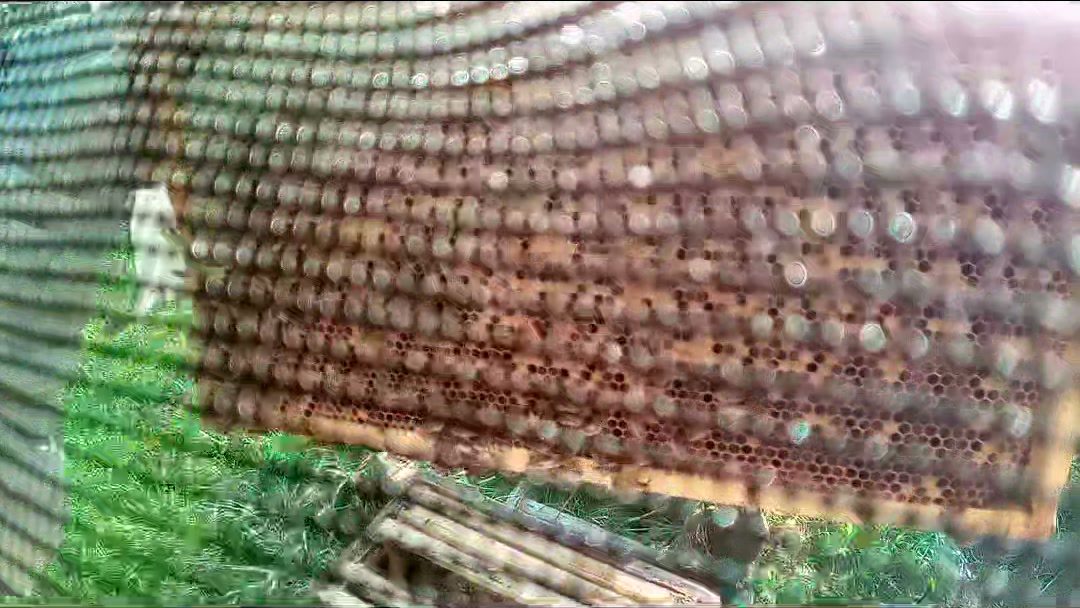
Comb visible behind beekeeper veil mesh

Visible · not countable

How many brood or larvae cells?

Observed Comb is present, but cell centers are not auditable through mesh, motion, and angle.

Spoken A capped-brood and larvae-cell count is requested.

Next capture Hold three steady, unobstructed close frames of the same comb face.

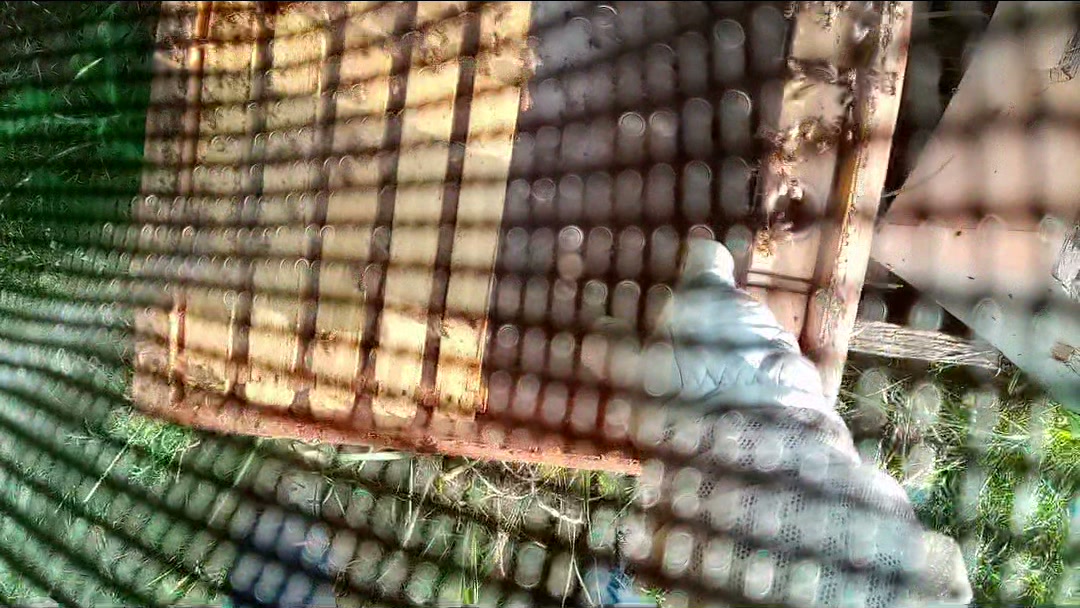
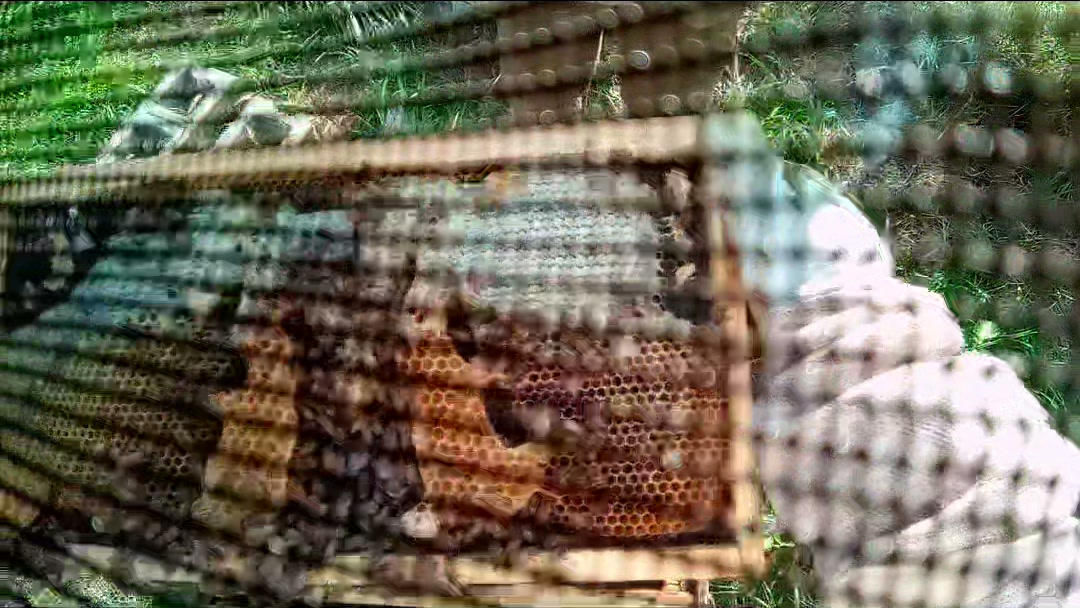
Bee-covered comb frame behind veil mesh

No candidate verified

Is the queen on this frame?

Observed No queen candidate is verified in the reviewed frames.

Spoken A queen check and general frame-health report are requested.

Next capture Keep the entire frame square and steady. No queen observed never means queenless.

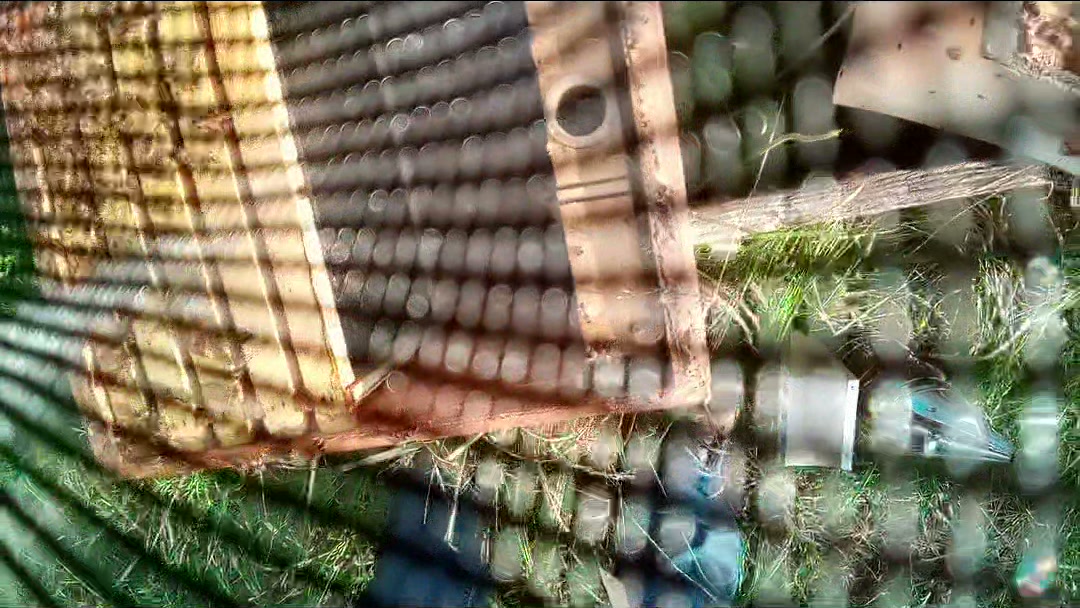
Comb frame shown at an angle behind veil mesh

No defensible percentage

What percentage is drawn?

Observed A frame is visible without a calibrated drawable boundary.

Spoken The experiment asks for a comb-drawn percentage.

Next capture Use a square, unobstructed photo and define the area before estimating.

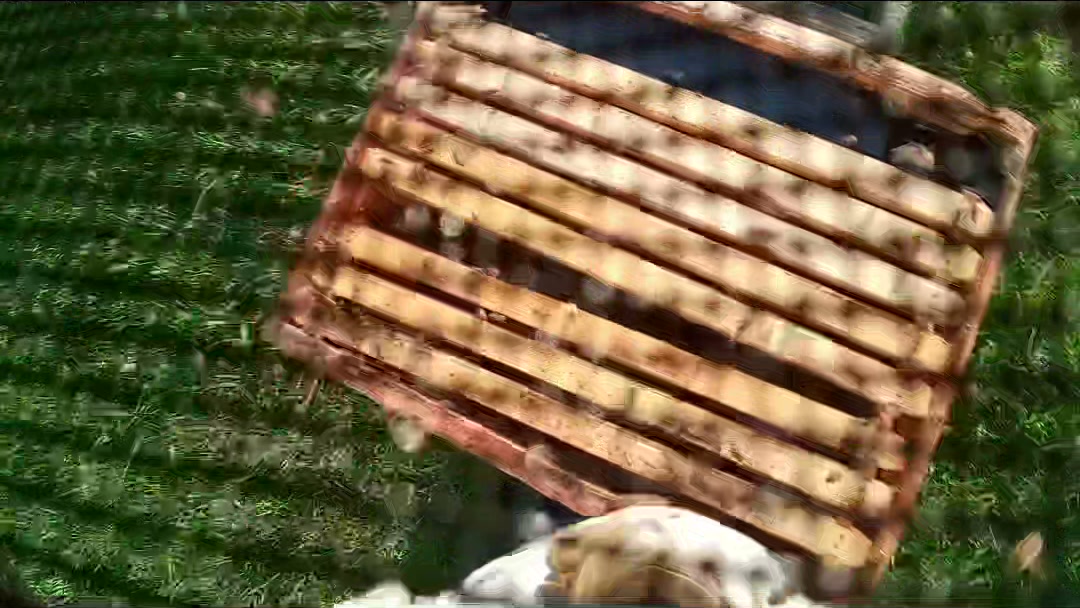
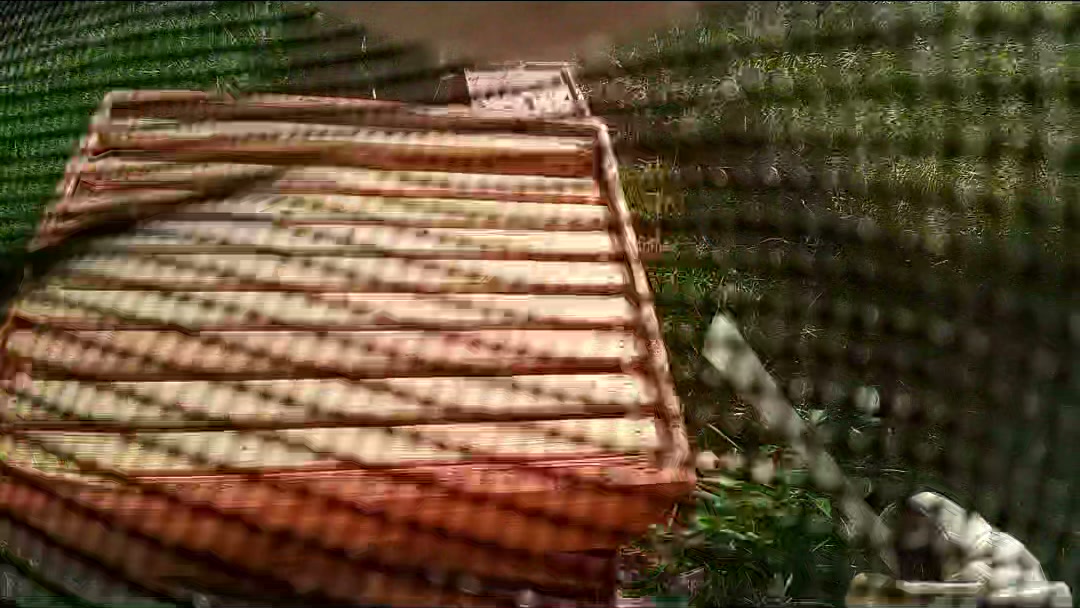
Lower hive equipment being handled during a moisture investigation

Actionable field note

What happened at the base?

Observed Lower equipment is separated; later, the base and stack are repositioned.

Spoken Moisture, standing water, and unidentified larva-like organisms are discussed.

Next capture Clean and dry, correct drainage, photograph any organism clearly, then recheck after rain.

Full transcript ledger

Andy’s requests, followed by the answer the footage can support

Every reviewed request made during the Spicy Hive inspection is listed here. Tap its timestamp to open the exact question-and-answer moment in the inline player; the same link remains a direct YouTube timestamp if the player is unavailable. “Observed” is limited to reviewed footage; “Next action” is practical guidance, not a claim about this colony.

  1. Gallery 3 · 00:37–00:48 · Play answer

    “Reference this hive… Spicy Hive.”

    Answer: A named hive note can begin here. Record the date, observer, and box configuration alongside the nickname.

  2. Gallery 3 · 02:53–03:12 · Play answer

    “Can you get me a capped brood count… [and] how many cells have larvae?”

    Answer: No count is defensible. Comb is visible, but veil mesh, motion, angle, bee coverage, and playback-capture resolution prevent repeatable cell centers. Next action: capture three steady, unobstructed close frames of the same comb face.

  3. Gallery 3 · 04:02–04:16 · Play answer

    “Give me an overall frame health summary… Is there a queen on the frame?”

    Answer: No queen candidate was verified, and that does not mean queenless. This view cannot establish overall colony health. Next action: hold the entire frame square and steady, then review native-resolution frames.

  4. Gallery 3 · 04:52–05:07 · Play answer

    “What percentage [of comb] have they drawn?”

    Answer: No percentage is supported. The camera does not provide a calibrated, square, unobstructed drawable area. Next action: define the area in a clear frame photo before estimating.

  5. Gallery 3 · 06:06–06:12 · Play answer

    “How many bees [are] in this hive?”

    Answer: No whole-hive estimate is supported. The video never sees all bees or boxes at once, and there is no documented population method. Next action: use a complete, named estimation method if population matters.

  6. Gallery 3 · 07:10–08:54 · Play answer

    “We have… standing water… full separation and get that cleaned up.”

    Answer: Lower equipment is visibly separated. Water depth and any organism identity are spoken observations, not visual measurements. Next action: clean and dry the base, correct drainage, then recheck after rain.

  7. Gallery 3 · 09:08–09:15 · Play answer

    “Get [the bees] to dry land without hurting them.”

    Answer: Bees and open equipment are visible during the lower-box work. The footage supports a careful, deliberate handling note—not a claim about the outcome for every bee.

  8. Gallery 2 · 00:01–00:18 · Play answer

    “What is that? … maggot larvae or bee larvae?”

    Answer: The base or tray is visible, but identity is unresolved through veil mesh and motion. Next action: collect a sharp close image or a sample before naming it.

  9. Gallery 2 · 00:52–01:06 · Play answer

    “Reorient the base… so rainwater is not collecting.”

    Answer: The later footage shows the base and stack repositioned and supported. It cannot prove future drainage success. Next action: recheck stable support and water shedding after rain.

  10. Gallery 2 · 01:29–01:45 · Play answer

    “Pull the map location… give me a status report.”

    Answer: Status report: moisture concern discussed; lower equipment separated; base and stack repositioned. Location report: Midwest only; exact coordinates withheld.

  11. Gallery 2 · 02:43–02:51 · Play answer

    “They’re agitated. They’re thirsty. Let’s get the base set up.”

    Answer: “Agitated” and “thirsty” are spoken field labels, not measured conditions. Active handling is visible. Next action: finish the essential correction calmly and minimize open-hive time.

  12. Gallery 2 · 04:55–05:07 · Play answer

    “I’m switching that out… they’ve drawn that one out.”

    Answer: Supers and frames are visibly handled; drawn-comb status is spoken. Next action: record which box moved where and verify the spacing before closing.

  13. Gallery 2 · 06:31–06:46 · Play answer

    “Since we got the wider feeder, we have to go back to eight frames.”

    Answer: Feeder and frame-spacing work are visible. The eight-frame arrangement is a spoken configuration decision. Next action: count and evenly space the intended frames before closing.

  14. Gallery 2 · 09:11–09:14 · Play answer

    “Let’s turn it the other way.”

    Answer: The closing sequence shows the base and stacked boxes repositioned and supported. Next action: confirm support, entrance direction, and drainage after reassembly.

Next Mentra inspection

A five-step capture checklist

This is the clearest result of experiment 01: the spoken prompts are useful, but the camera needs deliberate evidence frames.

  1. Name the hive, date, box, and observer out loud.Use a stable field label; avoid exact public coordinates.
  2. Keep the lens outside the veil mesh when safe.Check the preview before opening the hive.
  3. Hold three usable frames for each question.Full frame, square close view, and a detail view—steady and unobstructed.
  4. Separate observation from interpretation.Say “I can see,” “I suspect,” or “I need a closer image.”
  5. Finish with the action and follow-up.Record what changed and what must be checked next visit.